I Tested Copilot Fusion Against Claude Opus 5.5
I’ve been using Copilot Fusion for a while, since the days of Project HydraFusion. It has been my default choice for some time.
After I switched to Fusion, my monthly spending dropped from around 3.8× to 1.6×. But that was not a direct comparison. I had not given Fusion and another model the same task and compared the results.
So I decided to try it.
What is Copilot Fusion?
Copilot Fusion is not a single AI model. It chooses which models to use and how they work together for a task.
For a simple task, it may use one model. For a harder task, it may use one model to write a solution and another to review it.
You can read more in the GitHub documentation. During Microsoft Ignite, Microsoft also shared a talk about how systems like Fusion coordinate models.
GitHub recently shared some good benchmark results. Fusion Max solved 71.2% of the tasks in Terminal-Bench 4.1. GitHub also reported that it cost 57% less than Opus 5.5 on that benchmark.
The test
I wrote a requirements document for an app that helps parents find after-school activities near them. For the first version, I chose Prague.
Parents should be able to find activities on a map, filter them by age, day and price, and see the details. The app should work on mobile and support Czech and English.
I gave the same requirements and prompt to:
- Copilot Fusion Max
- Claude Opus 5.5 Max
I let both work in Autopilot mode until they finished.
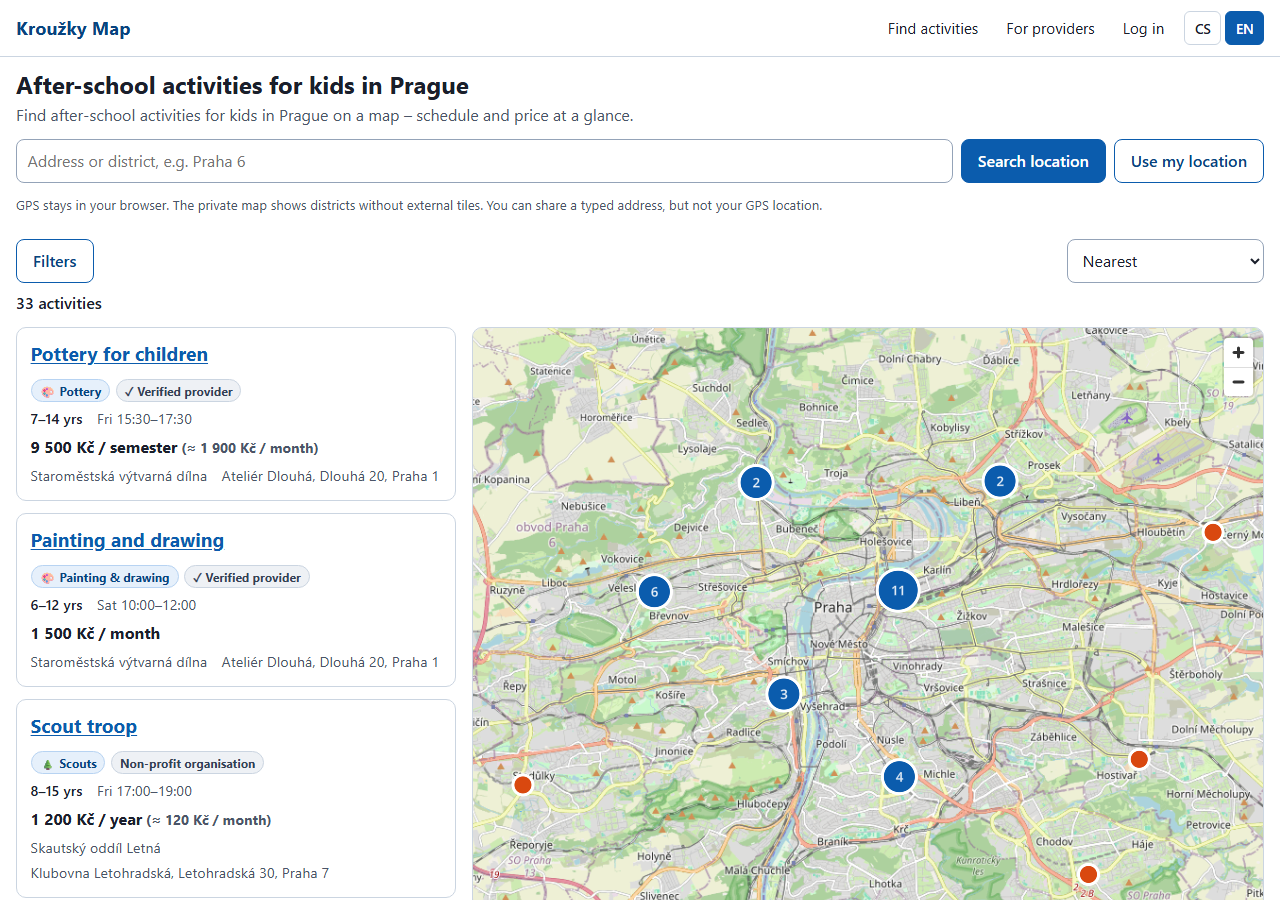 Copilot Fusion — Desktop
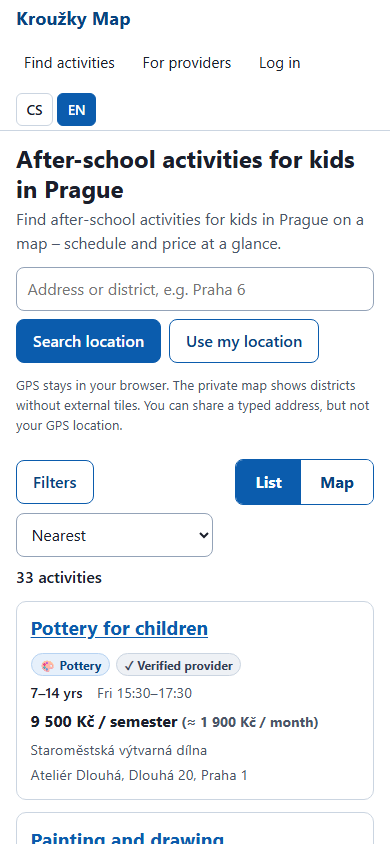 Copilot Fusion — Mobile
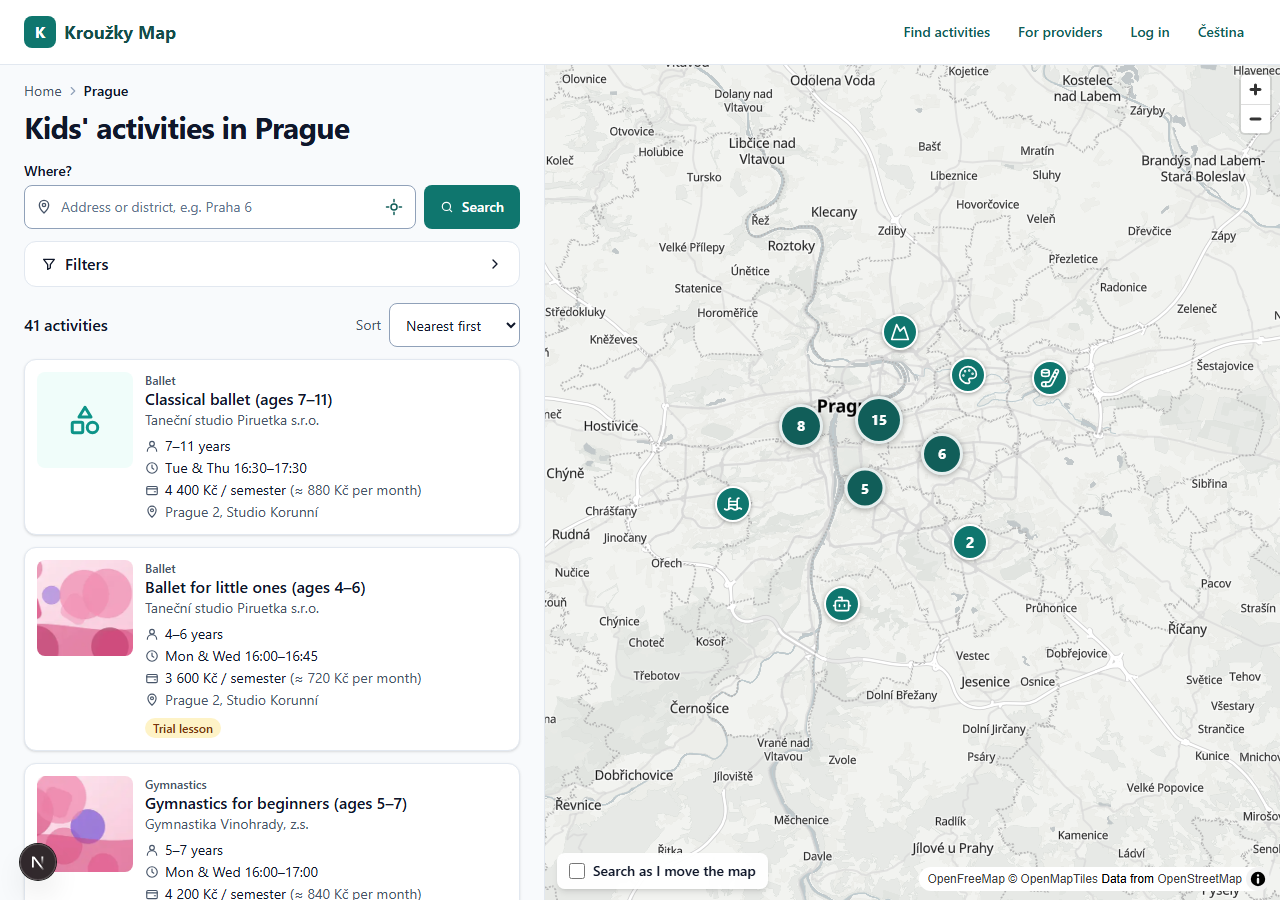 Claude Opus 5.5 — Desktop
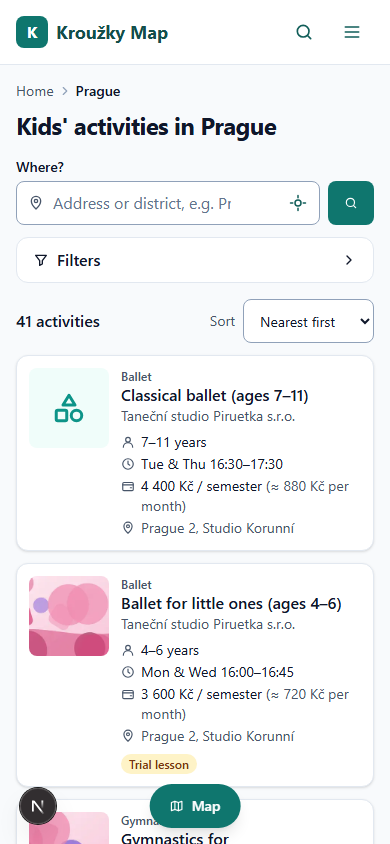 Claude Opus 5.5 — Mobile
Time, AI credits and tokens
| Fusion Max | Opus 5.5 Max | |
|---|---|---|
| Started | 21 Nov, 1:47 PM | 21 Nov, 1:46 PM |
| Finished | 21 Nov, 5:47 PM | 22 Nov, 7:47 AM |
| Elapsed time | 4 hours | 18 hours, 1 minute |
| AI credits | 3,533 | 30,645 |
| Input tokens | 76.2 million | 493.3 million |
| Output tokens | 0.79 million | 6.91 million |
| Cached input tokens | 74.4 million | 493.3 million |
Fusion finished about 14 hours sooner. It took 4 hours instead of 18 hours and 1 minute. That’s about 78% less time. It also used about 88% fewer AI credits.
But what about quality?
Time and credits are not enough. A cheaper and faster result is not useful if the app does not meet the requirements.
I asked another model to review both versions against my requirements. It looked at the running apps, the code and the documentation. It scored the apps without using the model names.
Here is how the scores were divided:
| What was reviewed | Maximum points | Fusion | Opus |
|---|---|---|---|
| Parent search, filters and map | 24 | 20 | 20 |
| Activity details and reports | 9 | 8 | 8 |
| Provider self-service | 12 | 10 | 10 |
| Admin tools and approval | 12 | 8 | 10 |
| Business rules and data quality | 9 | 8 | 7 |
| Mobile, accessibility and languages | 9 | 8 | 8 |
| SEO and performance | 7 | 5 | 5 |
| Privacy and security | 12 | 9 | 4 |
| Code, documentation and delivery | 6 | 4 | 5 |
| Total | 100 | 80 | 77 |
Fusion scored slightly higher, but the result was close.
The review found that the Opus version looked more polished and had better admin tools. But it also put rounded GPS coordinates in the URL, while the requirements said location data should stay in the browser. In the checks performed, the Fusion version did not put GPS coordinates in the URL.
Fusion had problems too. For example, its admin tools did not provide an easy way to edit every provider and venue.
The scores are based on the reviewer’s judgment. Privacy was important because the app is for families. With different priorities, the result could change.
My takeaway
For this task, Fusion scored slightly higher, took about 78% less time, and used fewer tokens and AI credits.
This was only one run for each option, and one model did the review. During the review, the Fusion app ran as a production build, while the Opus app ran on a development server. Their app performance was therefore not compared under the same conditions. Not every requirement was fully checked, and neither version was ready for production.
I’ve been using Fusion for a while, and this test gave me another reason to keep using it.